Putin's Promise: Why Russia Backs Iran Amidst Western Pressure
In an increasingly multipolar world, the alliance between Russia and Iran, often referred to as the
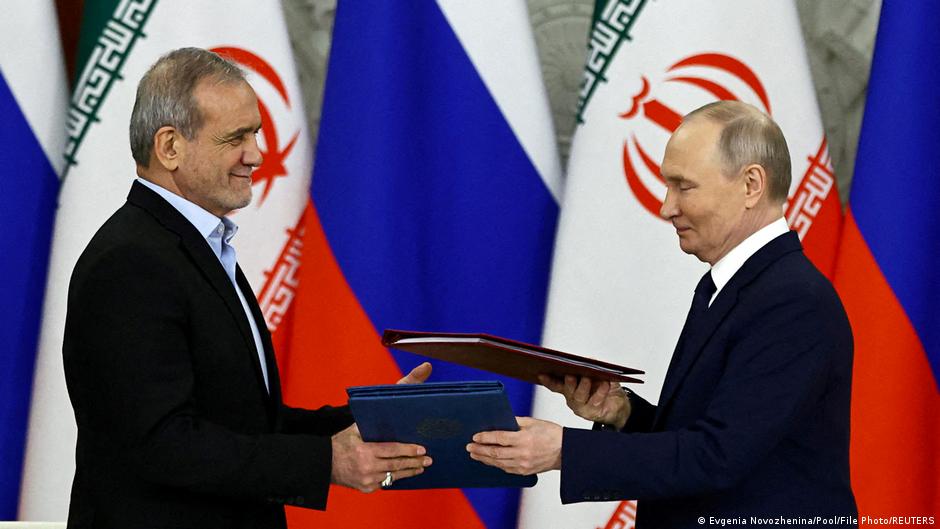
russland iran bündnis, stands as a critical example of nations reshaping geopolitical landscapes under immense Western pressure. Both Moscow and Tehran find themselves navigating a complex web of international sanctions – Russia for its ongoing conflict in Ukraine, and Iran over its contentious nuclear program. This shared predicament has forged a bond rooted in mutual necessity and a common vision for a global order less dominated by Western influence. The recent high-profile visit of Iranian President Masoud Pezeshkian to Moscow underscored Iran's unwavering strategic pivot towards Eastern partnerships, signaling a deepened commitment to this crucial axis.
The strategic alignment between these two nations is more than just a temporary response to sanctions; it represents a long-term "roadmap for the future," as described by Iranian Foreign Minister Abbas Araghtschi. He emphasized the pivotal role Iran and Russia play as major powers in architecting a new global paradigm, one designed to challenge existing hegemonies and foster a more balanced distribution of power. This ambitious vision extends beyond mere political rhetoric, translating into concrete agreements on security, defense, economic cooperation, and energy, meticulously crafted to withstand and circumvent Western diplomatic and financial leverage.
A Partnership Forged in Sanctions: The Economic Imperative
The specter of Western sanctions casts a long shadow over both Russia and Iran, compelling them to innovate and collaborate in defiance of economic isolation. For Russia, the sanctions imposed following its actions in Ukraine have targeted its financial system, energy exports, and access to critical technologies. Similarly, Iran has endured decades of crippling sanctions, primarily over its nuclear ambitions, which have severely constrained its oil revenues, banking access, and trade opportunities. This shared experience of economic ostracism has become a powerful catalyst for the
russland iran bündnis.
Their economic cooperation is multifaceted. It involves efforts to de-dollarize trade, establish alternative payment systems independent of SWIFT, and explore new trade routes, such as the International North-South Transport Corridor (INSTC), to facilitate commerce without relying on Western-controlled chokepoints. For Iran, Russia offers not only diplomatic backing but also an essential partner for technology transfer, investment, and a market for its goods, helping to alleviate the strain of its international isolation. Russia, in turn, gains access to Iranian markets, energy resources, and, crucially, military hardware that has proven effective in its ongoing conflicts. This symbiotic relationship aims to build a sanctions-resilient economy, a formidable goal that underscores the depth of their commitment to each other.
One key aspect of their long-term economic strategy is to collectively challenge the global financial architecture. By fostering trade in local currencies and exploring digital alternatives, they aim to diminish the leverage of Western financial institutions. This isn't just about survival; it's about setting a precedent for other nations that seek to operate outside the established norms. For a deeper dive into the geopolitical implications of this partnership, explore
Russia & Iran: Unequal Allies Shaping a New Global Order.
Redefining Global Order: Moscow and Tehran's Geopolitical Vision
Beyond economic necessity, the Russia-Iran alliance is underpinned by a profound convergence of geopolitical aspirations. Both nations envision a "new global order" characterized by multipolarity, where the influence of the United States and its Western allies is significantly diminished. They seek to strengthen alternative power centers, advocating for greater roles for organizations like BRICS, the Shanghai Cooperation Organization (SCO), and other non-Western blocs.
From Moscow's perspective, strengthening ties with Tehran is part of a broader strategy to challenge NATO expansion, weaken U.S. influence in the Middle East, and secure its southern flanks. For Iran, aligning with Russia provides vital diplomatic weight against perceived Western aggression, legitimizes its regional ambitions, and enhances its standing on the international stage. This mutual strategic interest creates a formidable front against what both perceive as unilateralism and interventionism from the West.
The explicit commitment to "support each other in combating common 'security threats'", though not a full mutual defense pact like the one Russia forged with North Korea, reflects this shared geopolitical outlook. These "threats" are broadly defined but often include what they perceive as foreign interference in internal affairs, attempts at regime change, and the destabilizing effects of Western military presence in their respective spheres of influence. Putin's recent strong condemnation of "absolutely unprovoked aggression" against Iran, following alleged U.S. and Israeli airstrikes, directly echoes this narrative, positioning Russia as a staunch defender against what it views as unjust external pressure. This rhetoric reinforces the idea of a united front, where diplomatic and political backing serves as a powerful shield.
Beyond Diplomacy: Security, Defense, and Covert Collaboration
The security and defense dimensions of the
russland iran bündnis are particularly potent and have tangible implications for global stability. While the agreement explicitly states it's not a mutual defense pact that obliges one party to intervene militarily if the other is attacked, it does solidify their intent to collaborate on shared security concerns. This cooperation is built upon a strategic agreement first signed in 2001 under former reformist President Mohammad Khatami, regularly renewed, and now expanded to cover a broader array of shared interests.
The most visible aspect of their military cooperation has been Iran's supply of combat drones to the Russian army for use in Ukraine. This exchange is a clear demonstration of their operational alignment and willingness to support each other's military endeavors. Beyond drones, collaboration likely extends to intelligence sharing, cybersecurity initiatives, and potentially the transfer of military technologies. The opaque nature of these agreements, as highlighted by experts who suggest the full scope of deals often remains undisclosed, mirrors Iran's past agreements with China and raises concerns about their hidden objectives. This secrecy allows both nations greater flexibility and autonomy in their strategic actions, shielding sensitive details from Western scrutiny.
However, this military cooperation is not without its complexities. Past instances, such as criticisms from Iranian Revolutionary Guard Corps commanders regarding Russia's alleged failure to provide crucial logistical support during military operations in Syria, indicate that the partnership can encounter friction. These moments underscore the transactional nature of certain aspects of the alliance, where each party carefully weighs its own strategic interests. To understand the intricacies of these agreements, especially the undisclosed elements, refer to
Inside the Russia-Iran Pact: Security, Sanctions & Secret Deals.
Navigating the Dynamics: An Alliance of Convenience or Conviction?
Despite the outward display of unity, analysts frequently debate whether the
russland iran bündnis is an alliance of deep conviction or primarily one of convenience. While Tehran might view its partnership with Moscow as a lifeline amidst growing international isolation, many experts, like Ahmad Vakhshiteh from the Russian University of Peoples' Friendship (RUDN), suggest that Russia often perceives Iran as a secondary actor in its grander strategic calculus. "Russia focuses primarily on securing its interests vis-à-vis Washington, especially concerning NATO's presence in Eastern Europe and Ukraine's potential membership," Vakhshiteh notes. "Tehran may benefit from this partnership, but Russia will ultimately prioritize its own strategic goals."
This inherent asymmetry means that while both partners benefit, their motivations and long-term objectives are not perfectly aligned. For Iran, the alliance offers a powerful diplomatic ally, access to military technology, and a crucial economic outlet. For Russia, Iran serves as a strategic partner in challenging Western influence in the Middle East, a source of military hardware, and a potential distraction for Western powers. Russia’s offering of "mediation" in conflicts involving Iran, while simultaneously condemning actions against it, highlights its desire to position itself as a key regional player and power broker.
Understanding this dynamic is crucial for analyzing the future trajectory of the alliance. While strong rhetorical support and practical cooperation will likely continue, the depth of Russia's commitment to Iran's core issues might have limits, particularly where it clashes with Russia's primary geopolitical objectives. Both nations are skilled at navigating complex international relations, and their alliance, though strategic, will likely remain fluid, adapting to evolving regional and global circumstances while always prioritizing their perceived national interests.
In conclusion, the
russland iran bündnis is a multifaceted and strategically significant partnership driven by a shared aversion to Western dominance and a mutual desire to establish a multipolar world order. Forged in the crucible of sanctions, it encompasses deep cooperation in economic, security, and defense spheres, underpinned by a history of strategic agreements. While a degree of asymmetry in their respective strategic priorities exists, the mutual benefits of this alliance – from circumventing sanctions to challenging geopolitical norms – ensure its continued strength and evolution. As both nations continue to navigate an increasingly complex international environment, their deepening ties will undoubtedly remain a focal point for global attention, shaping the contours of power and influence in the 21st century.